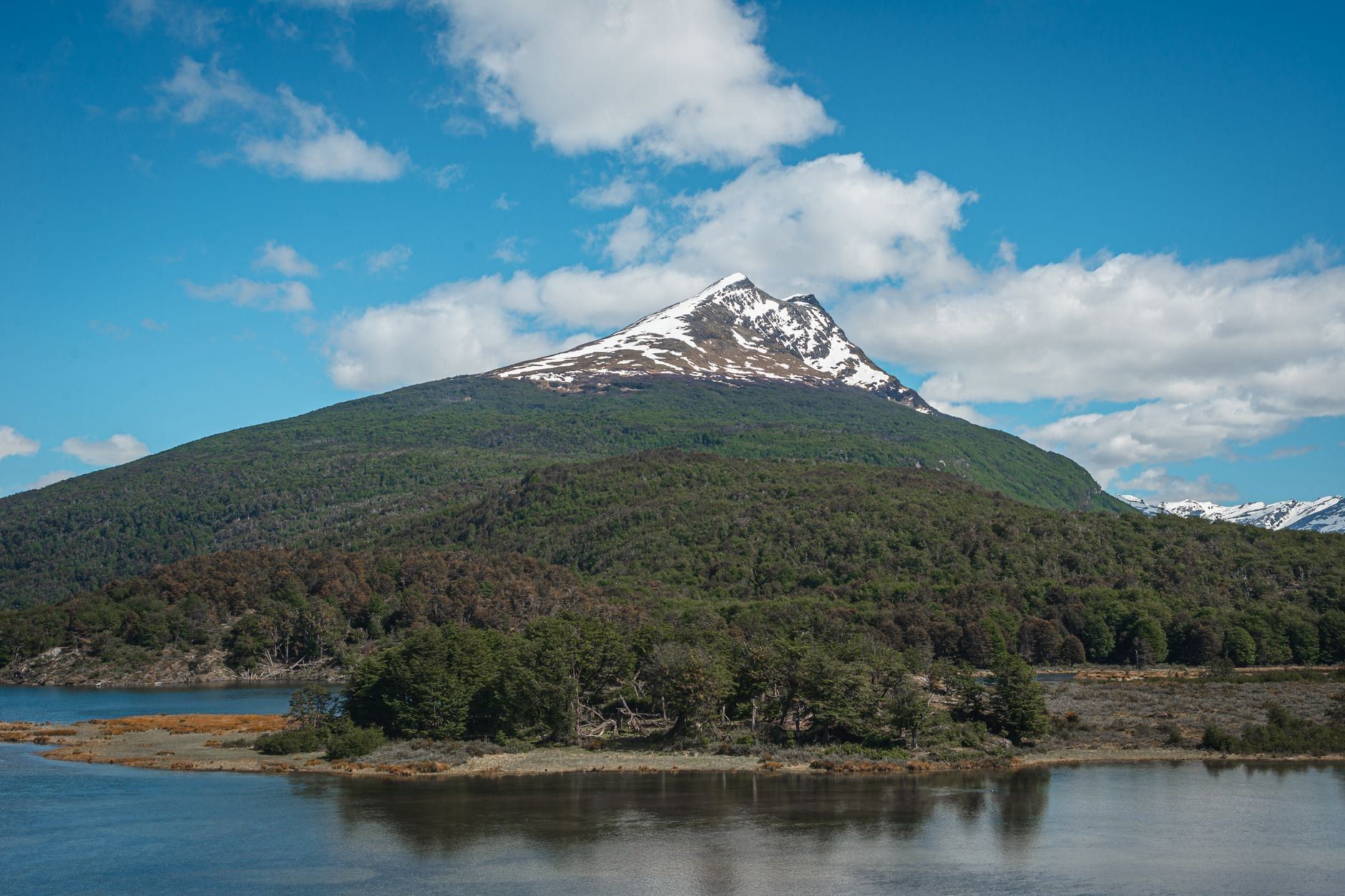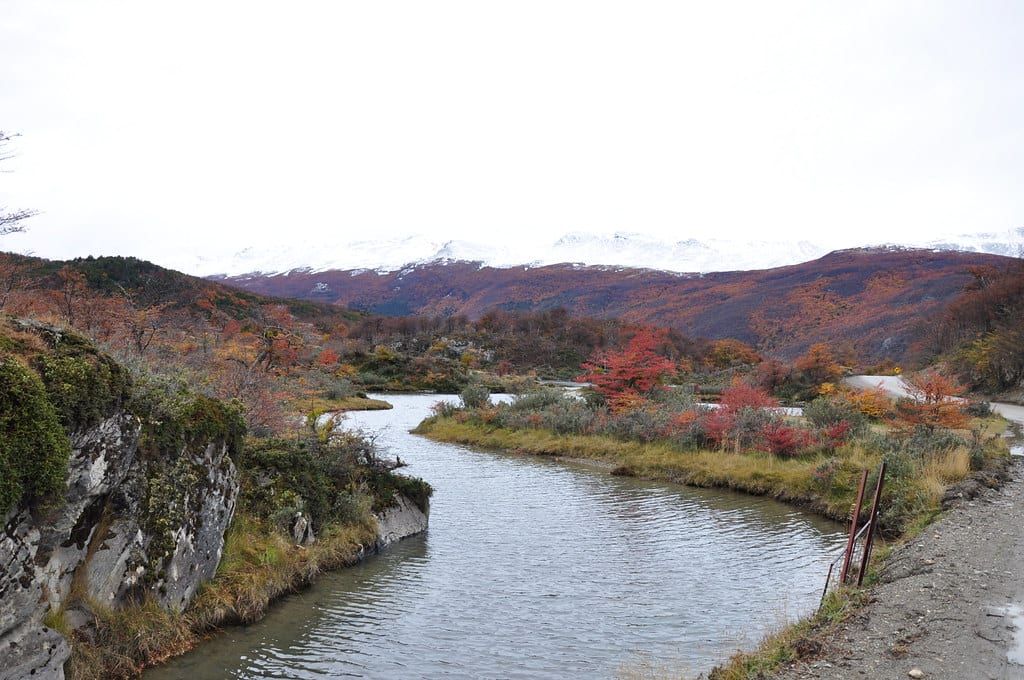
Ushuaia, on the Beagle Channel, is where nearly every Tierra del Fuego trip bases itself — and for good reason. The national park sits 12 km west of the city, penguin colonies breed east along the channel, glaciers hang above town, and a wind-scoured interior of lakes, shipwrecks and fishing rivers fills everything in between. The archipelago itself is split between Argentina (east) and Chile (west), but almost everything you'll want to do sits on the Argentine side, within day-trip range of Ushuaia.
This guide covers all of it — with the fees, seasons and timings you need to build a plan, whether Tierra del Fuego is your destination or a stop before an Antarctica cruise. Much of it you can arrange yourself; the rest runs as guided tours out of Ushuaia.
| Activity | Season | Duration | Ballpark cost | Difficulty |
|---|---|---|---|---|
| National park visit | Year-round; some trails close Apr–Sep | 4–8 h | AR$40,000 entry | Easy to hard |
| Beagle Channel cruise | Year-round, weather permitting | 2.5–3 h | From ~US$79 | Easy |
| Isla Martillo penguins | Mid-Oct to late Mar | Half day | From ~US$79 | Easy |
| Laguna Esmeralda trek | Best Nov–Mar | 3–4 h | Free if self-drive | Moderate |
| Cerro Castor skiing | Late Jun to late Sep | Full day | Lift pass extra | Easy–intermediate |
| Harberton / Fagnano day trip | Oct–Apr | Full day | Tour or rental car | Easy |
Hike in Tierra del Fuego National Park
The park is the only national park in Argentina where the Andes drop into the sea: 68,909 hectares of lenga and guindo beech forest, peat bog and about 6 km of Beagle Channel coastline, created in 1960. Only the southern sector — roughly 2,000 hectares — is open to the public, threaded by 40 km of trails. Pick by fitness and hours available.
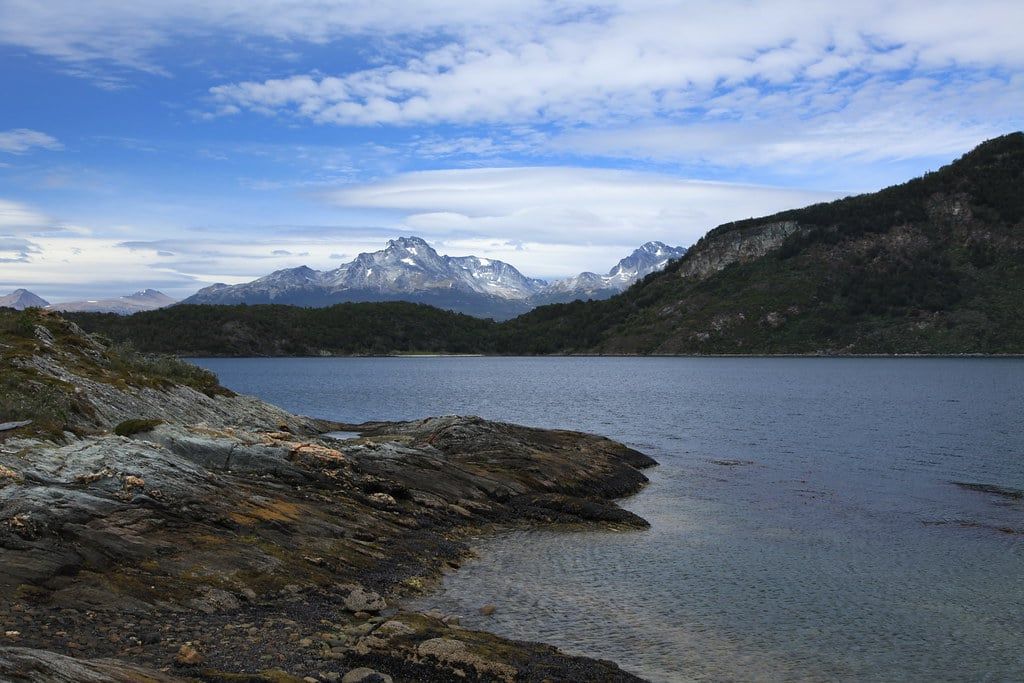
The Senda Costera is the classic: 8 km one-way along the channel from Ensenada Zaratiegui toward the Lapataia Bay area, 3–4 hours through forest, rocky coves and pebble beaches. You'll pass beaver dams — the park's most visible invasive species — and seabirds working the shallows. Start at Ensenada and arrange a pickup at the far end; the shuttle makes this easy.
For the park's best panorama, climb Cerro Guanaco: 8 km round trip to 975 m, above the tree line, with the channel and Lago Acigami laid out below. Allow at least four hours. It's a serious walk in bad weather, and it's one of several trails officially closed from April to September for ice.
Short on time or legs? The Lapataia-area trails run 200 m to 2 km. Paseo de la Isla (900 m) follows the Lapataia and Ovando rivers to the Laguna Verde viewpoint, the Castorera boardwalk crosses a chain of beaver dams, and Mirador Lapataia (950 m) climbs briefly for bay views. At Lago Acigami — the park's largest lake, shared with Chile — an easy, mostly forested 7 km round trip runs along the shore to Hito XXIV, the border marker. The trail ends there; crossing into Chile isn't allowed, and the lakeshore beaches are popular picnic spots in summer.
Watch for condors overhead and foxes, guanacos and rabbits on the road — the 40 km/h speed limit inside the park exists for exactly that reason. Then get your photo at the Bahía Lapataia sign marking the end of Ruta 3, the southern terminus of the Pan-American Highway. Rain arrives sideways here year-round, so waterproof boots and a shell are standard kit, and you pack out everything you carry in.
Planning a Park Visit: Tickets, Transport, and a One-Day Route
Entry costs AR$40,000 for international visitors under official rates effective 1 June 2026 — Argentine residents pay AR$18,000, Tierra del Fuego residents AR$8,000, students AR$12,000. Argentine pensioners with DNI, visitors with a disability certificate, Malvinas War veterans and accredited school groups enter free. Buy online at ventaweb.apn.gob.ar or at the gate; 3- and 7-day Flexipasses exist if you're returning. Fees shift fast with inflation — check current park hours and entry fees the week you travel rather than trusting older blog prices.
The park opens daily, year-round: 8:00–21:00 December to February, 8:00–20:00 in March, October and November, and 9:00–18:00 April to September. Mid-park, the Alakush Visitor Centre runs roughly 10:00–17:30 with a restaurant, restrooms and gift shop — the only services inside, so carry snacks and water outside those hours.
Four ways in, each with trade-offs. The scheduled shuttle leaves downtown Ushuaia from the corner of Fadul and Maipú, takes about 45 minutes and stops at seven points — entrance, train station, Ensenada Zaratiegui, Alakush, Lago Acigami, the Isla Entre Ríos campground and Bahía Lapataia — for roughly AR$20,000–25,000 return. A rental car runs Ruta 3 straight through the park with free parking at every stop. A hired taxi does a half-day circuit of the photo stops for about US$100 (February 2026 rate). Guided minibus tours with hotel pickup run US$79–145. Our guide to getting to the park compares them in detail.
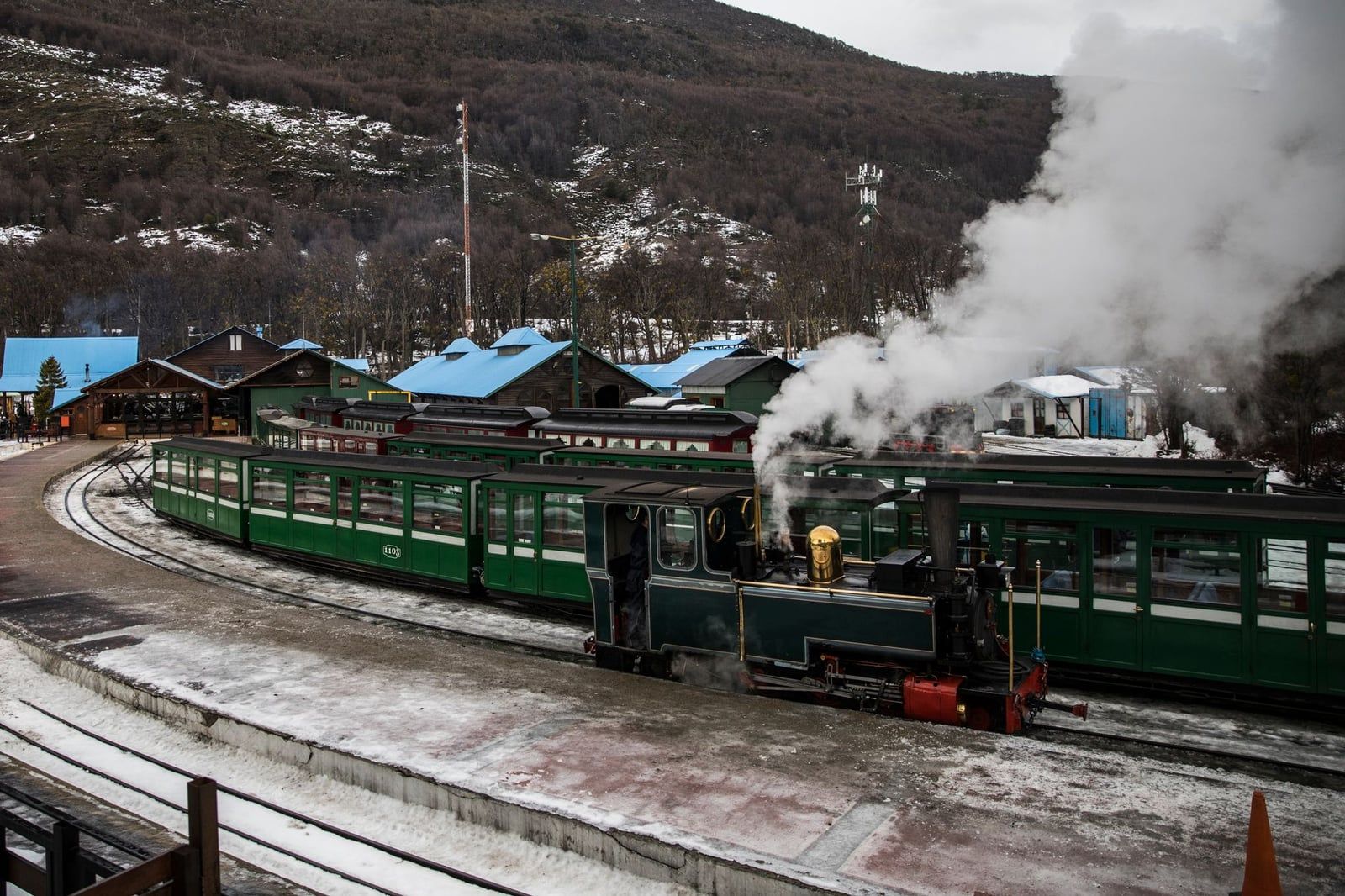
The Tren del Fin del Mundo departs its own station 8 km west of Ushuaia at 9:30, 12:00 and 15:00 from September to April, and covers 7–8 km into the park in about an hour along the route of the prison colony's old logging railway — past the La Macarena cascade and the Tree Cemetery, a hillside of stumps the prisoners left behind. Tourist class is AR$70,000 (children 4–12 AR$35,000), premium AR$217,000; park entry is separate. Most visitors ride one way and shuttle back — arrive 45 minutes early for check-in, and pre-book from May to August, when departures depend on availability.
The worked one-day traverse for fit hikers: taxi to Ensenada Zaratiegui, hike the Senda Costera toward Alakush, eat lunch there, then do the short Lapataia trails and the Ruta 3 sign, with pickup at Bahía Lapataia. Half-day visitors do the shuttle loop in reverse — Lapataia, Lago Acigami and one short trail is plenty.
One caveat before you promise anyone a postcard: the End of the World Post Office, the tiny wooden hut at Ensenada Zaratiegui where visitors stamp their passports, has been closed or sporadic in recent years pending maintenance. The post office in Ushuaia still stamps 'End of the World' postcards reliably.
Sail the Beagle Channel
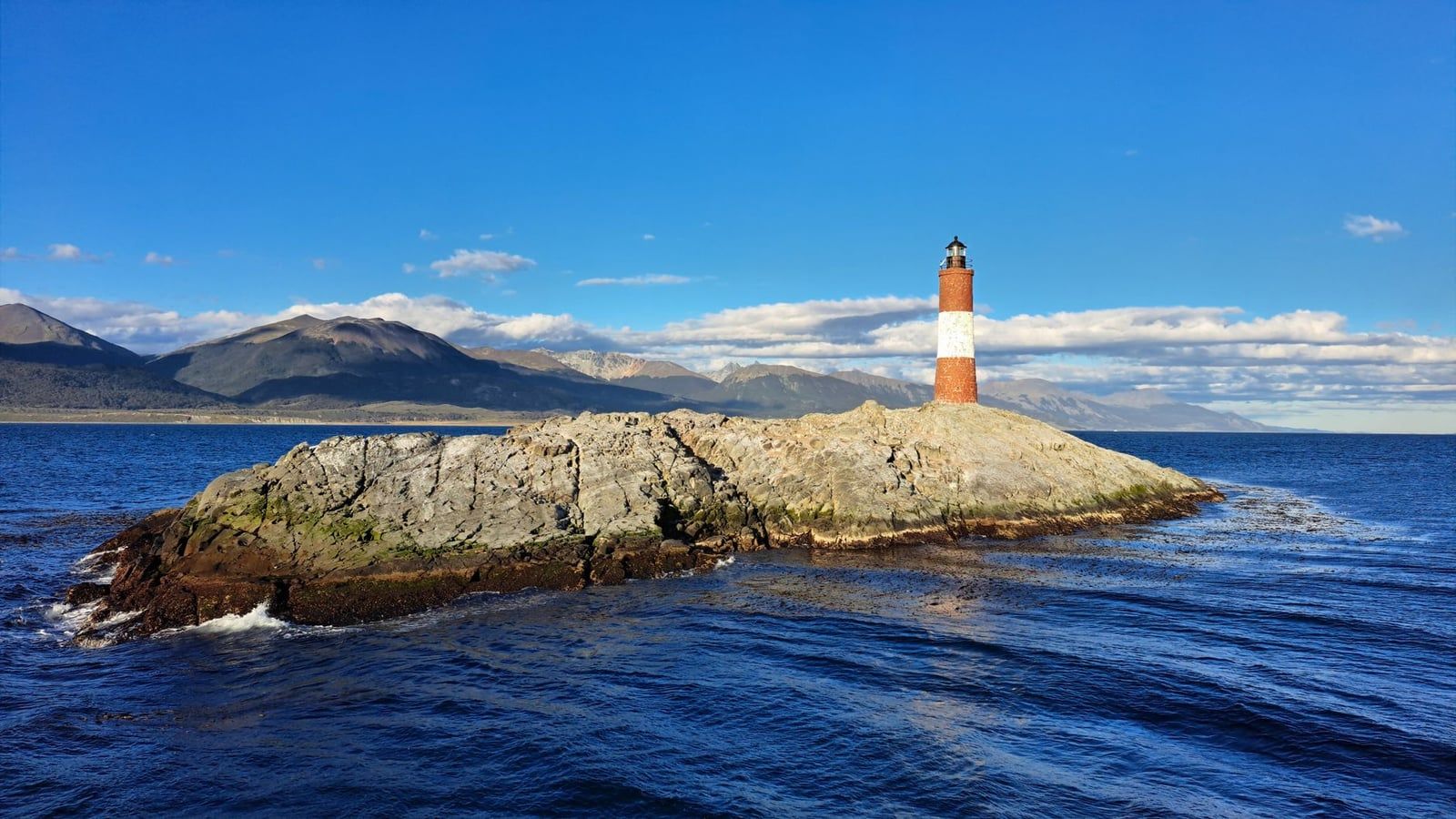
The standard cruise is 2.5–3 hours from Ushuaia's port, past Isla de Los Pájaros and Isla de Los Lobos — sea lions, fur seals, imperial cormorants, occasional albatross — to the Les Éclaireurs Lighthouse, built in 1919 on a rocky islet. Tours run year-round, weather permitting, from about US$79. If you only book one excursion in Tierra del Fuego, this is the one.
Small boats and yachts cost more and carry fewer people; you sit closer to the wildlife and the ride is slower. Catamarans are cheaper and bigger, fine if you mainly want the lighthouse photo. Morning departures usually get calmer water. Compare operators and formats among the half-day tours from Ushuaia before you commit.
Longer versions add a short mini-trek on the Bridges Islands, with channel views on foot; full-day routes continue east toward Estancia Harberton and, in season, add a penguin stop. One correction worth knowing: Les Éclaireurs is routinely sold as the Lighthouse at the End of the World, but Jules Verne's lighthouse was a different structure, far to the east on the San Juan de Salvamento peninsula. The mix-up is so old it's practically part of the tour.
Walk with the Penguins on Isla Martillo
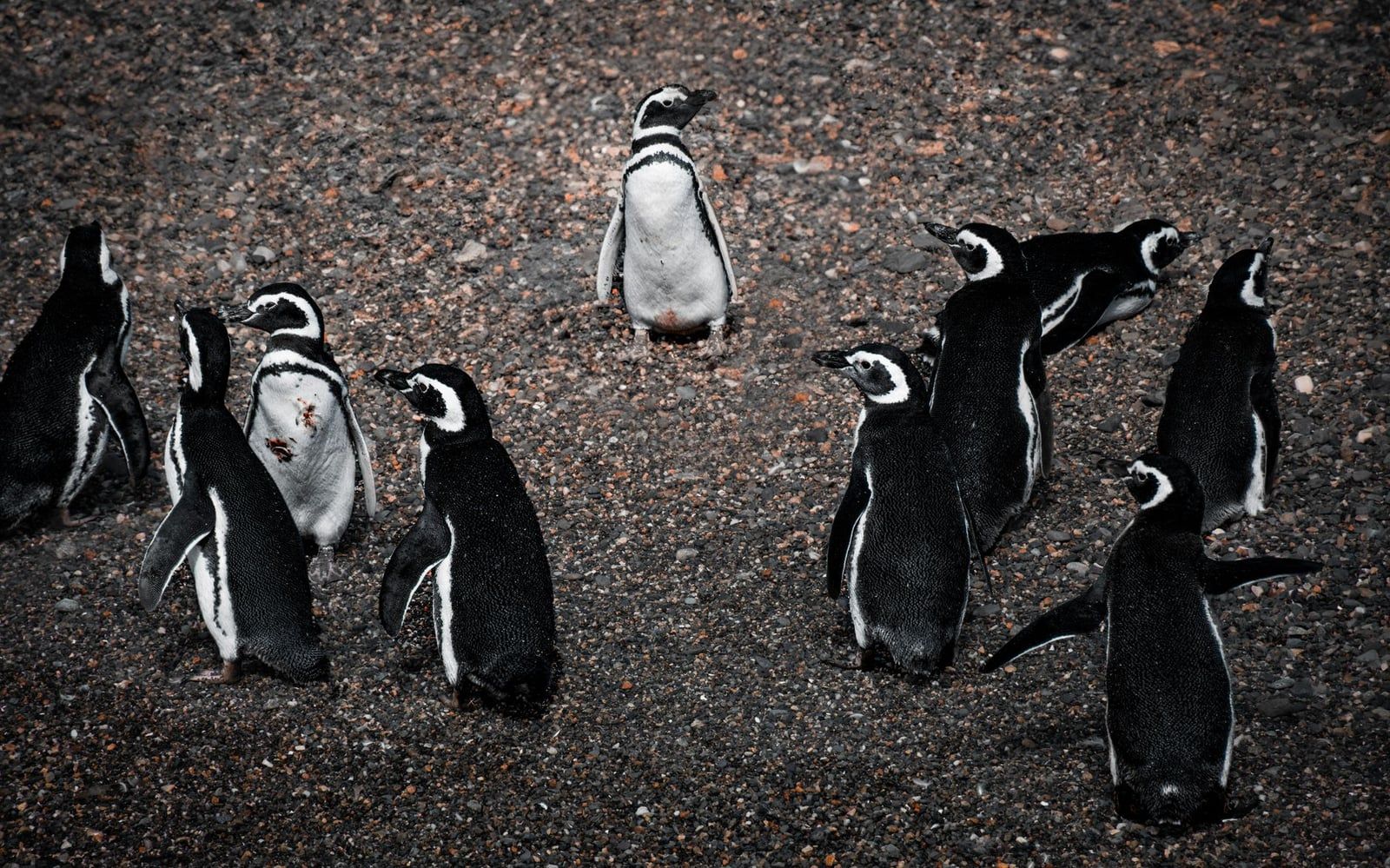
Isla Martillo, east along the Beagle Channel, hosts Magellanic and Gentoo penguin colonies from roughly mid-October to late March — outside that window there are no penguins to see. Trips run as half-day afternoon excursions by road plus a short boat crossing, or as full-day catamaran cruises; either way you get about an hour alongside the colony.
Licensed operators disembark small groups and walk a set path at the colony's edge; boat-only versions watch from the water. Keep the required distance and let the penguins come to you — they're curious, and often do.
Now the honest triage. If you're continuing to Antarctica, skip Martillo: Gentoo colonies on the peninsula will make this hour feel small, and your days in Ushuaia are better spent on the national park or a glacier trek. If penguins are the point of your trip, book through operators running dedicated penguin tours from Ushuaia — licensed disembarkations sell out in high summer.
Trek to Glaciers and Turquoise Lakes
The strongest hiking near Ushuaia actually sits outside the national park, spread across three valleys above town. All three are worth a day; they differ sharply in commitment.
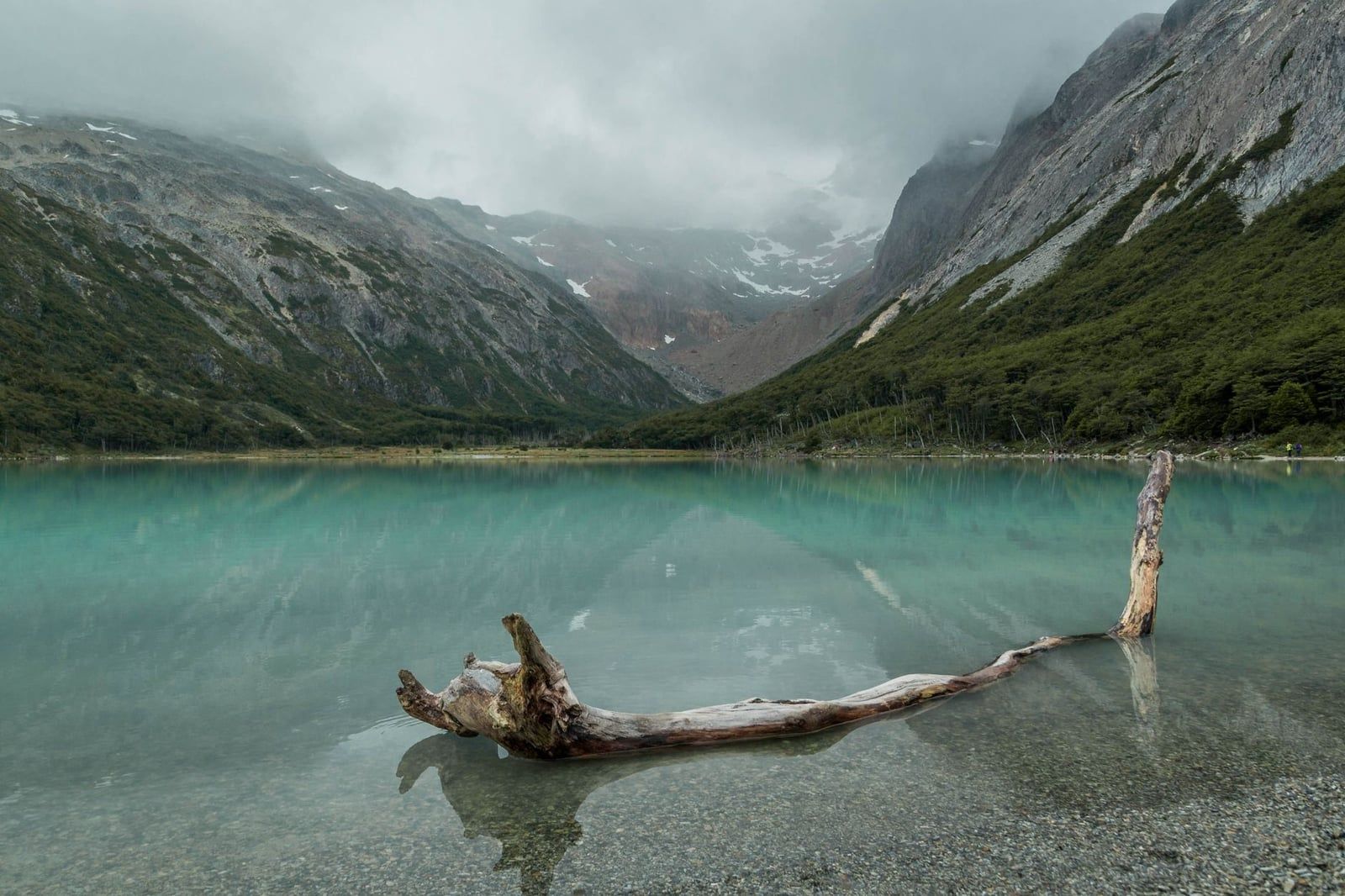
Laguna Esmeralda
The accessible classic. The trailhead is a 30-minute drive east of Ushuaia on Route 3 — the opposite direction from the park — and the 8.6–10 km round trip takes 3–4 hours through lenga forest and peat bog to a milky turquoise lake ringed by mountains. Doable independently; the bog sections are genuinely muddy, so boots matter.
Vinciguerra Glacier and Ojo del Albino
The big days out. The Vinciguerra Glacier trek runs about 8 hours up the Andorran Valley, past the Tempanos Lagoon, to the ice; Ojo del Albino is a longer, harder 10-hour ice trek. Both are guided in practice — operators provide the technical gear — and weather turns fast above the tree line, so build a spare day into your plans in case of cancellation.
Glaciar Martial
Straight above town. Ride the chairlift or walk up — figure roughly two very steep hours to the viewpoint over Ushuaia and the channel — or take a guided half-day with crampons and transfers. Go on a clear morning; the glacier itself is small, and the view is the point. For trail-by-trail detail across the region, see our Tierra del Fuego hiking guide.
Explore Ushuaia: Museums, King Crab, and End-of-the-World Rituals
Two headline museums, two separate buildings, constantly confused. The Museo Marítimo y del Presidio occupies the former penal-colony prison and covers maritime history, Antarctic exploration and the colony itself — whose prisoners logged the Pipo Valley on the railway the tourist train now copies. The Museo del Fin del Mundo is a different institution, covering regional history and nature. Both are good rainy-day options; the prison deserves the longer visit.
The region's older story earns more than a token paragraph. The Yaghan (Yámana) lived along this coast for over 6,000 years before European contact — their grass-covered shell middens still sit at Bahía Lapataia, and the name Tierra del Fuego comes from their campfires — before missionaries and disease devastated the population; the Selk'nam of the interior were nearly erased in the 20th century. Reading that history before you hike past the middens changes how the landscape reads.
Eat centolla — southern king crab, served plainly with lemon or gratin — alongside Patagonian lamb and merluza negra. Waterfront restaurants charge for the view; a street back is cheaper. Then walk the harbor, do your duty-free and gear shopping, and end at the Dublín, which claims to be the world's southernmost Irish pub.
Day Trips Beyond the Park: Estancias, Shipwrecks, and Inland Lakes
Everything in this section needs a full day and usually a car, a tour, or both. None of it is walkable from Ushuaia — and that's precisely the point of going.
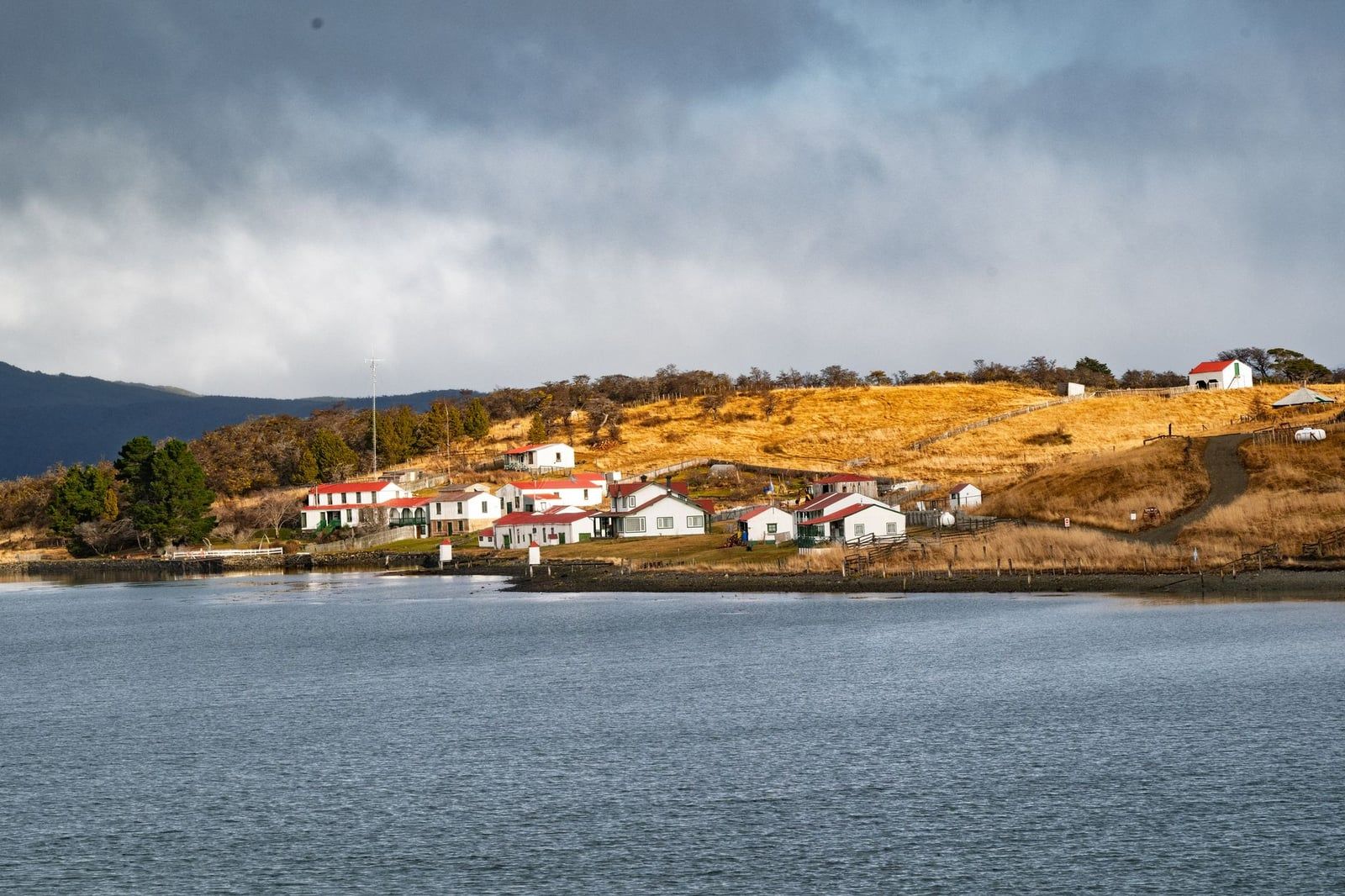
Estancia Harberton
Eighty-five kilometres east, at the end of the road on the Beagle Channel, Harberton was founded in 1886 by Anglican missionary Thomas Bridges. Today it's a working estancia with Yámana dwellings to explore and the Museo Acatushún, a marine-mammal and bird skeleton collection run by biologists. Many full-day Beagle cruises call here by boat, which pairs the two neatly.
Cabo San Pablo and the Desdémona
The cargo ship Desdémona ran aground at Cabo San Pablo in the 1980s and lies broken on the beach; at low tide you can walk right up to the hull. Getting there means the gravel RCa road, and the area has almost no services — fuel up and bring food. It's a photographer's stop on a drive north, not a destination in itself.
Lago Fagnano and Tolhuin
Fagnano stretches more than 100 km toward the Chilean border and is the big-sky scenery of the island's interior. Tolhuin, at its eastern end, is famous for one thing: Panadería La Unión, a bakery justifiable as the entire reason to break the drive north.
Anglers come for the Río Grande's sea-run brown trout, among the largest in the world — record catches top 14 kg. Prime beats sit on private lodge land, permits are required, and the season runs December to April. The non-angling version of the interior is a full-day 4x4 excursion north from Ushuaia through forest to the lakes district, usually with lunch included. All of it — Harberton, Fagnano, the wreck — can be booked as organized day trips from Ushuaia.
Winter Things to Do: Cerro Castor, Dog Sledding, and Snow
June to September flips the region into snow mode. Cerro Castor, one of the southernmost ski resorts in the world, runs late June to late September; midweek lift lines are short and the season is long for the southern Andes.
Non-skiers and families book the Valle de Tierra Mayor snow excursions, which bundle a snowmobile ride, a snowshoe hike and a husky-sled run into a full day. It's the easiest winter day out for people who don't ski.
Know the limits. July daytime highs average around 2°C, and the park officially closes Cerro Guanaco, Pampa Alta, the Senda Costera and Cascada Río Pipo, along with their access roads, for icy conditions. Tour options thin out too. In exchange, hotel rates drop and the town goes quiet — winter is the inverse of the summer crush. Our Tierra del Fuego winter guide covers what's open month by month.
Antarctica and the Chilean Side of the Island
Antarctica cruises depart Ushuaia from November to March. If you're booked on one, do your land-based sightseeing before departure — the national park, Laguna Esmeralda, the museums — and skip the penguin tour. Don't schedule anything for the afternoon you return, either; Drake Passage crossings wreck schedules and sleep.
Last-minute discounts are real but modest: Ushuaia agencies average 25–30% off, and 50% is rare. Walking the offices along the main street a few days ahead beats emailing from home.
The Chilean side is a different trip. Puerto Williams on Isla Navarino sits across the channel, reached by boat or small flights with almost no overland access. Between Punta Arenas and Ushuaia, the Bus Sur ferry-plus-bus combo takes about 12 hours on the couple of days a week it runs, while the Australis expedition cruise covers the route in four days through the fjords. Torres del Paine lies far to the north — it belongs on a separate Patagonia itinerary, not this one.
Planning Your Trip: Best Time, Getting There, and How Many Days
December to February brings the mildest weather — highs around 13–14°C — up to 17 hours of daylight, and every tour running; it also sells out months ahead, hostels included. October, November and March are the smart picks: similar conditions, fewer people, lower rates. April to September is snow season, for skiers and nobody else in a hurry.
Ushuaia's airport is about 3.5 hours from Buenos Aires and a little over an hour from El Calafate, which is how most Patagonia itineraries stitch it in. Overland from Punta Arenas takes roughly 12 hours by ferry and bus.
Give the region 3–5 days. A workable three: park and train on day one, Beagle Channel cruise with penguins on day two, and Harberton or the lakes district on day three. Add Laguna Esmeralda if you have a fourth — the park needs a half-day minimum by road, a full day to include a long hike.
Pack a waterproof shell, waterproof hiking boots and quick-dry layers; conditions swing from sun to sleet within an hour and winds average around 20 mph. One entry requirement travelers miss: Argentina currently requires foreign visitors to hold travel medical insurance, which can be checked at the border.
Frequently asked questions
How many days do you need in Tierra del Fuego?
Plan 3–5 days based in Ushuaia. The national park needs a half-day minimum by road and a full day if you want a long hike like the Senda Costera; glacier treks, Isla Martillo and inland day trips each take another day.
What is the best time of year to visit Tierra del Fuego?
December to February, for the mildest weather (highs 13–14°C), long daylight and every tour running. October, November and March are cheaper and quieter with similar conditions; late June to late September is snow-sports season.
How do you get to Tierra del Fuego?
Fly into Ushuaia (USH): about 3.5 hours from Buenos Aires and just over an hour from El Calafate. Overland, ferry-plus-bus combos from Punta Arenas take around 12 hours and run only a couple of days a week.
How much does it cost to enter Tierra del Fuego National Park?
AR$40,000 for international visitors under official rates effective 1 June 2026; AR$18,000 for Argentine residents, AR$8,000 for Tierra del Fuego residents. Argentine pensioners, visitors with a disability certificate and Malvinas veterans enter free. Buy online at ventaweb.apn.gob.ar or at the gate; the park opens daily year-round.
Can you see penguins in Ushuaia year-round?
No. The Magellanic and Gentoo colonies on Isla Martillo are present roughly mid-October to late March, and tours only run in that window. Beagle Channel cruises without a penguin stop run year-round, weather permitting.
Is Tierra del Fuego worth visiting if you're not going to Antarctica?
Yes — the national park and the Beagle Channel hold up as destinations on their own. If you ARE Antarctica-bound, spend your Ushuaia days on land-based sights and skip the penguin tour, which pales next to the peninsula's colonies.
Do you need a tour, or can you visit Tierra del Fuego National Park on your own?
On your own works fine: rental car, the scheduled shuttle from Fadul and Maipú with seven park stops, a hired taxi, or the End of the World Train. A guide adds most value if you have no car, you're visiting in snowy winter when trails close, or you want the history and wildlife explained.
What should I pack for Tierra del Fuego?
A waterproof hardshell, waterproof hiking boots and quick-dry layers — it stays cool, windy and drizzly even in summer, with highs of only 13–14°C. Note that Argentina currently requires foreign travelers to hold travel medical insurance, which could be checked at entry.
Sources
- argentina.gob.ar/parquesnacionales/patagonia-austral/parque-nacional-tierra-del-
- argentina.gob.ar/parquesnacionales/patagonia-austral/parque-nacional-tierra-del-
- argentina.gob.ar/parquesnacionales/patagonia-austral/parque-nacional-tierra-del-
- argentina.gob.ar/parquesnacionales/patagonia-austral/parque-nacional-tierra-del-
- turismoushuaia.com/zonas/parque-nacional?lang=en_US
- trendelfindelmundo.com.ar
- en.wikipedia.org/wiki/Tierra_del_Fuego_National_Park