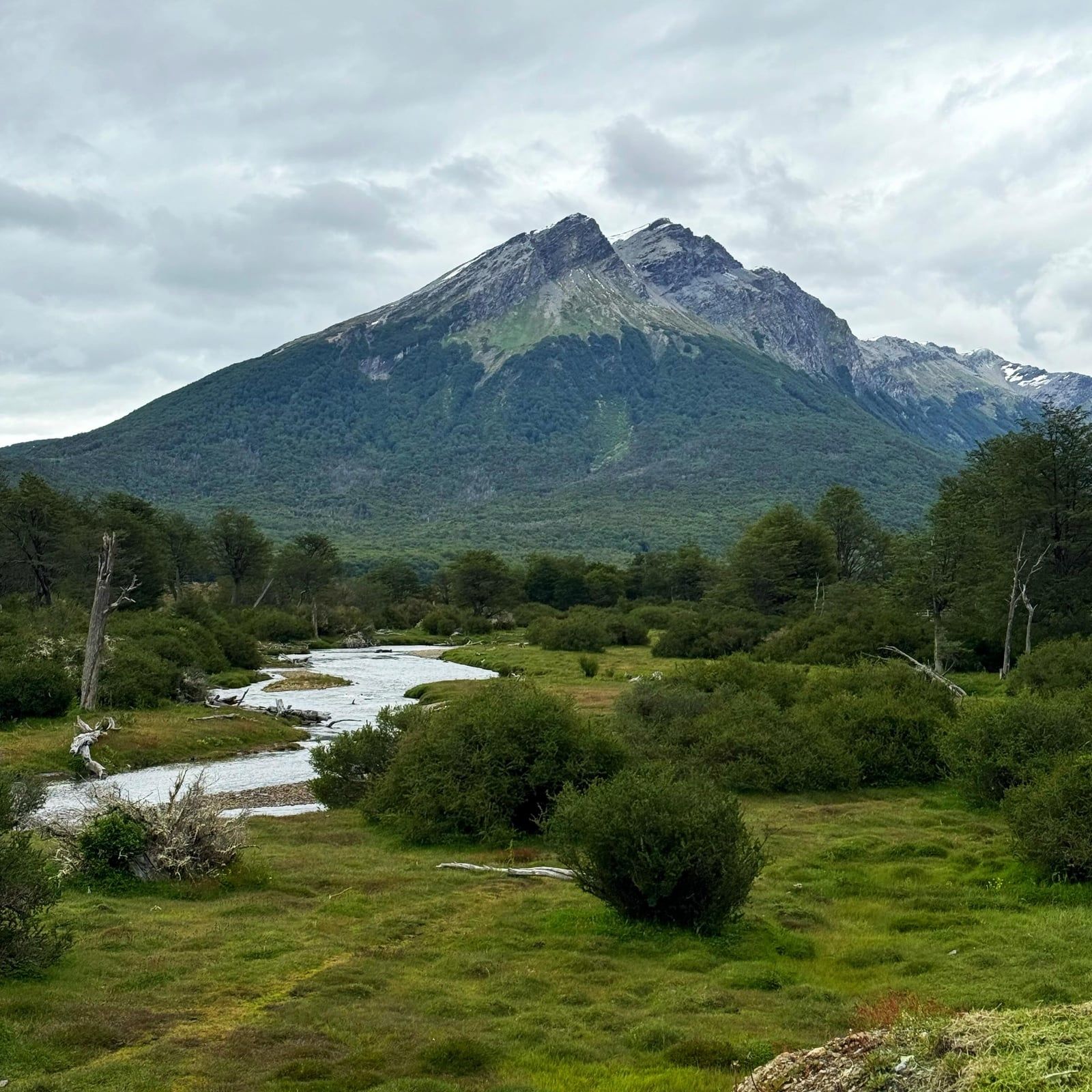
Tierra del Fuego National Park is Argentina's only shoreline park, where the final ridge of the Andes drops into the Beagle Channel and 40 km of trails run through lenga forest, past glacial lakes and peat bogs. Twelve kilometers from Ushuaia, you can stand at the Bahía Lapataia sign marking the southern terminus of Route 3, then ride the End of the World Train along the old prison railway.
Find Guided ToursArgentina's southernmost national park protects 68,909 hectares of subantarctic Andean forest just 12 km west of Ushuaia, where the last stretch of the Andes drops into the Beagle Channel. It's the only national park in the country that combines marine coastline with mountains, glacial lakes, rivers and extensive peat bogs. The name "Land of Fire" comes from the campfires the Yámana people lit along these shores.
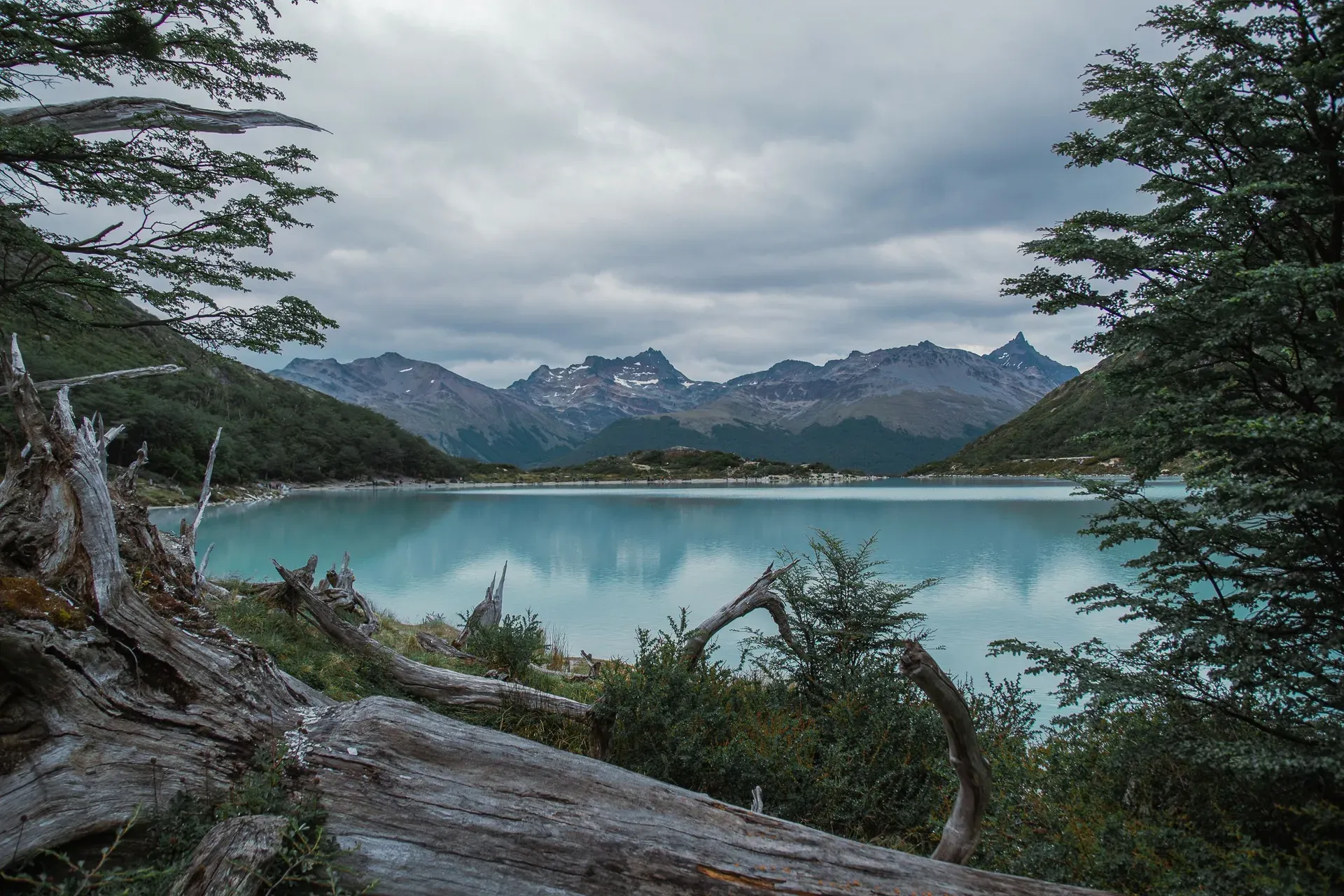
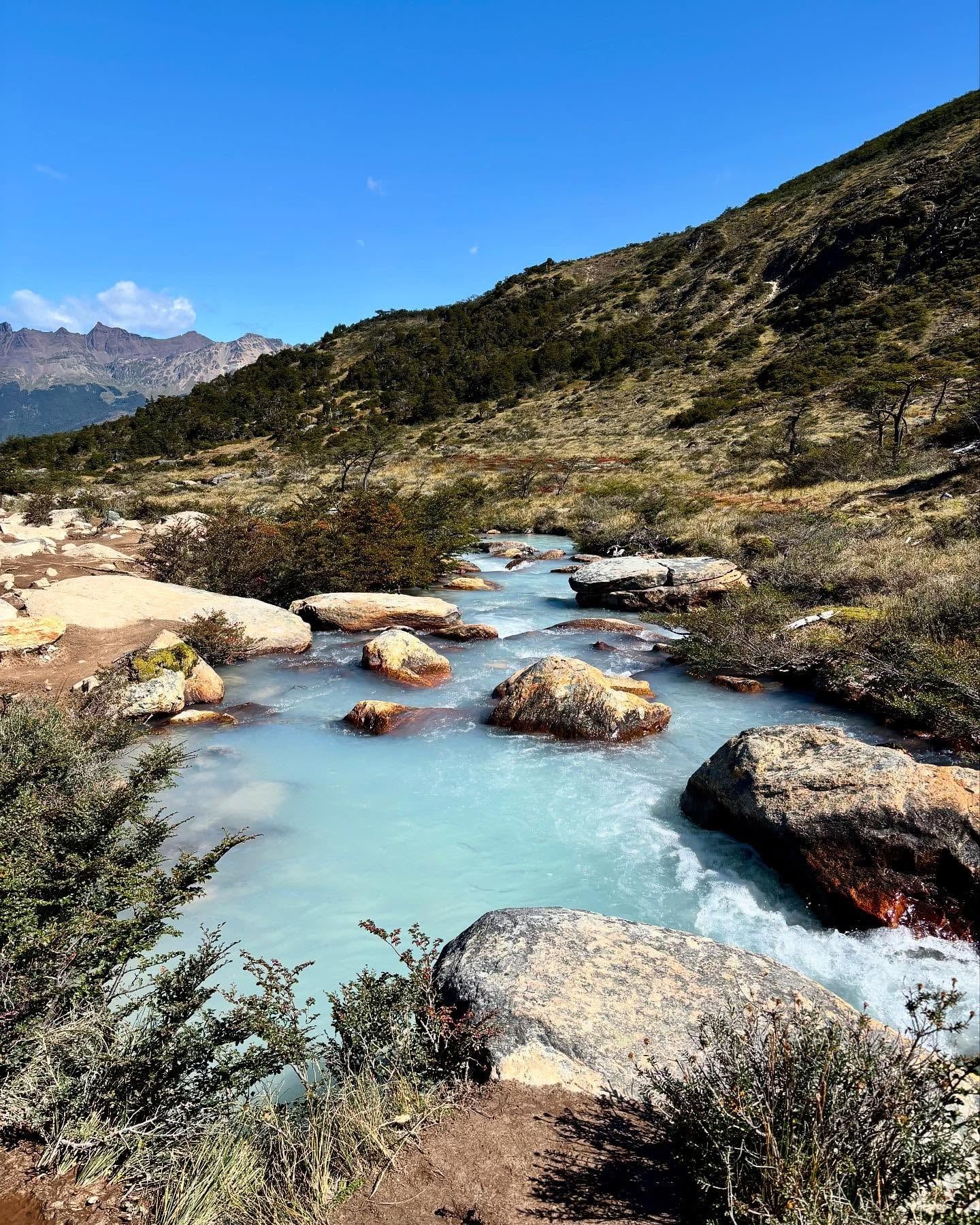
Glaciers did the heavy lifting here, carving the valleys that now hold Lago Acigami/Roca — the park's largest lake, shared with Chile — plus the Lapataia and Ovando rivers and Bahía Lapataia. Forests of lenga and guindo beech cover the ground between them. Only the southern sector, roughly 2,000 hectares, is open to the public; the rest is a strict nature reserve, and about 40 km of trails run through the accessible part.
The Yámana, nomadic canoe people, lived along this coast for millennia and left grass-covered shell and bone mounds at Bahía Lapataia that you can still see today. European contact, missionaries and gold prospectors devastated their population in the 19th century. Later, the Ushuaia penal colony logged the Pipo Valley using a narrow-gauge prison railway — the last 7 km of that line is now replicated by the Tren del Fin del Mundo tourist train.
The park itself was established on 15 October 1960 under National Law 15.554, expanded in 1966, and was Argentina's first shoreline national park. Today it's managed by the Administración de Parques Nacionales. Bahía Lapataia, inside the park, is the southern terminus of National Route 3 — the end of the Pan-American Highway, marked by one of the most photographed signs in the country. Nearby Ushuaia, meanwhile, is the world's principal departure port for Antarctic expeditions.
Discover the full history and cultural significance on our About page.
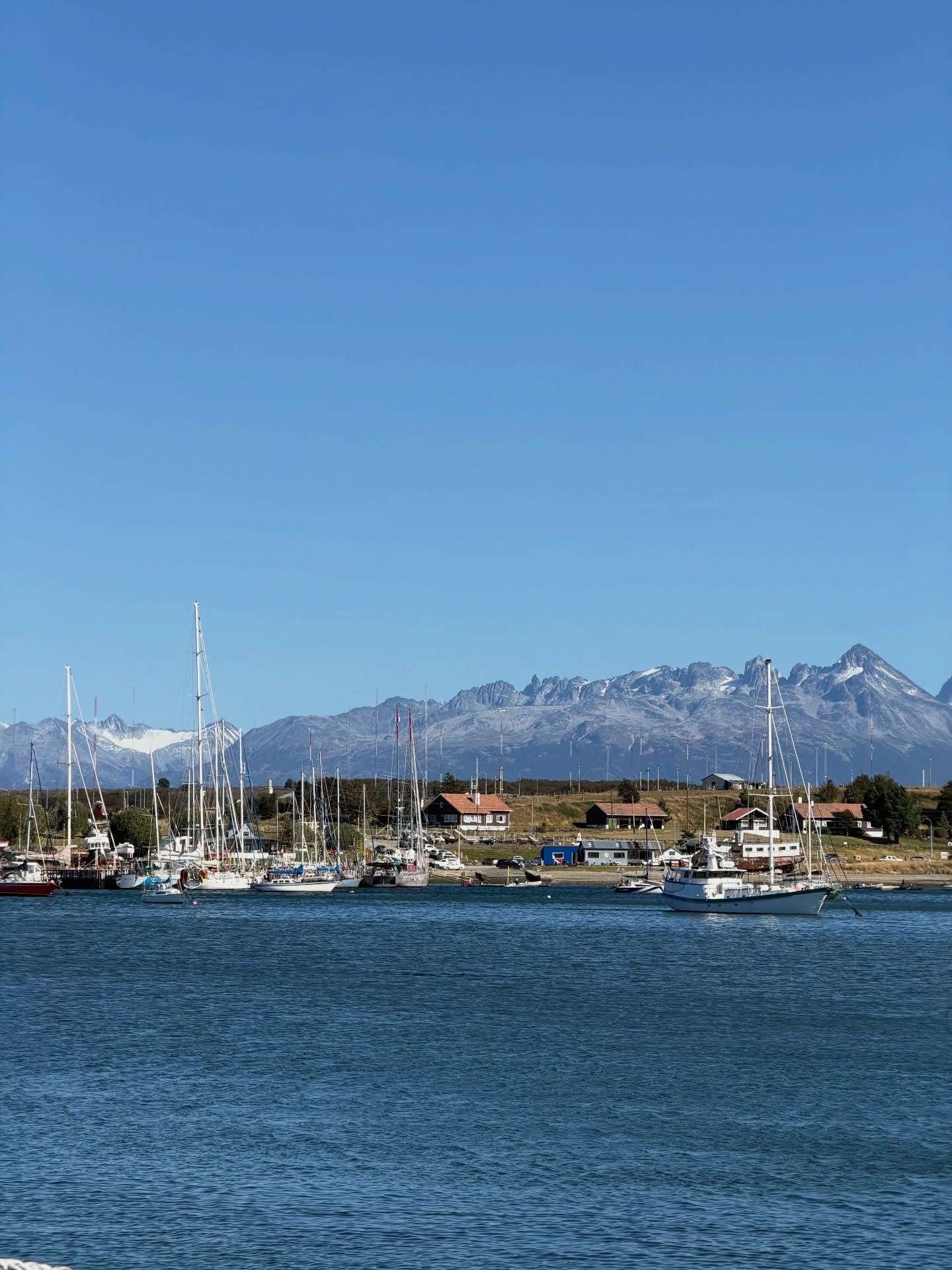
Bahía Lapataia holds the southern terminus of National Route 3, the Pan-American Highway's last stretch. Boardwalks circle the bay past cormorant islets, and grass-covered Yámana shell middens — thousands of years of mussel and limpet refuse — sit steps from the famous end-of-road sign.
A steam locomotive climbs the Pipo Valley on the rebuilt last 7 km of the Ushuaia prison colony's narrow-gauge logging line. Stops include Cascada La Macarena and the Tree Cemetery, a hillside of stumps the prisoners left. An audio guide covers 10 languages.
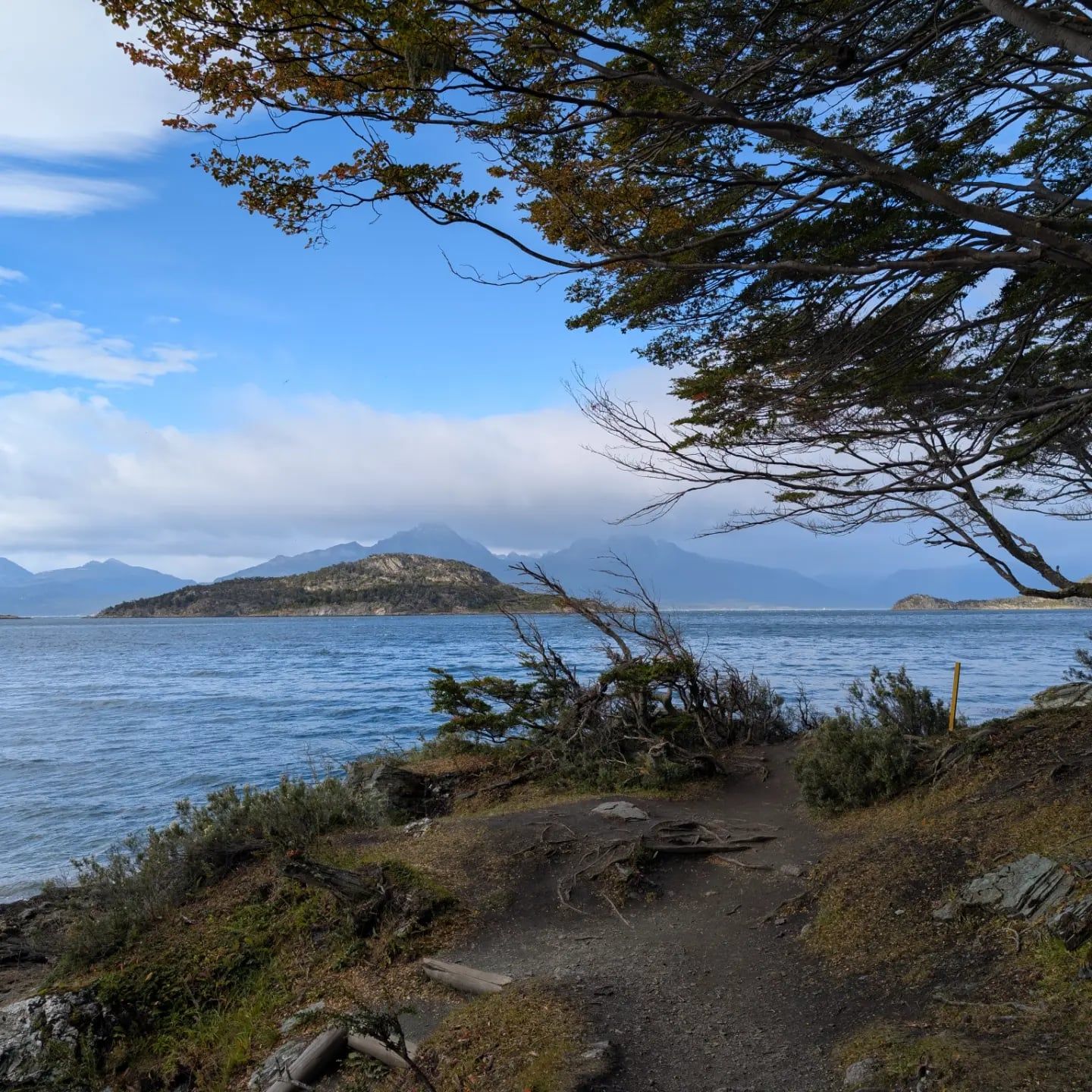
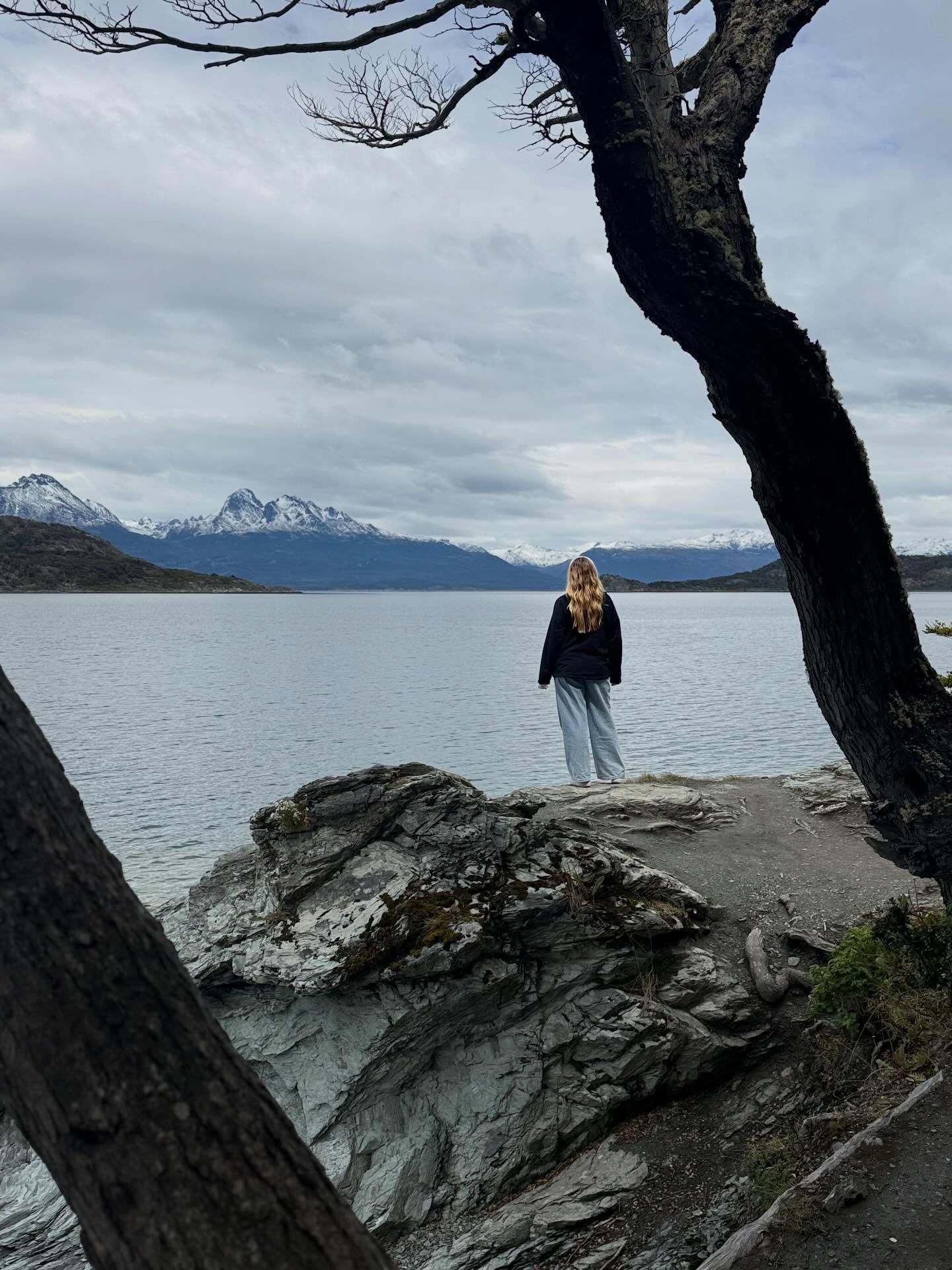
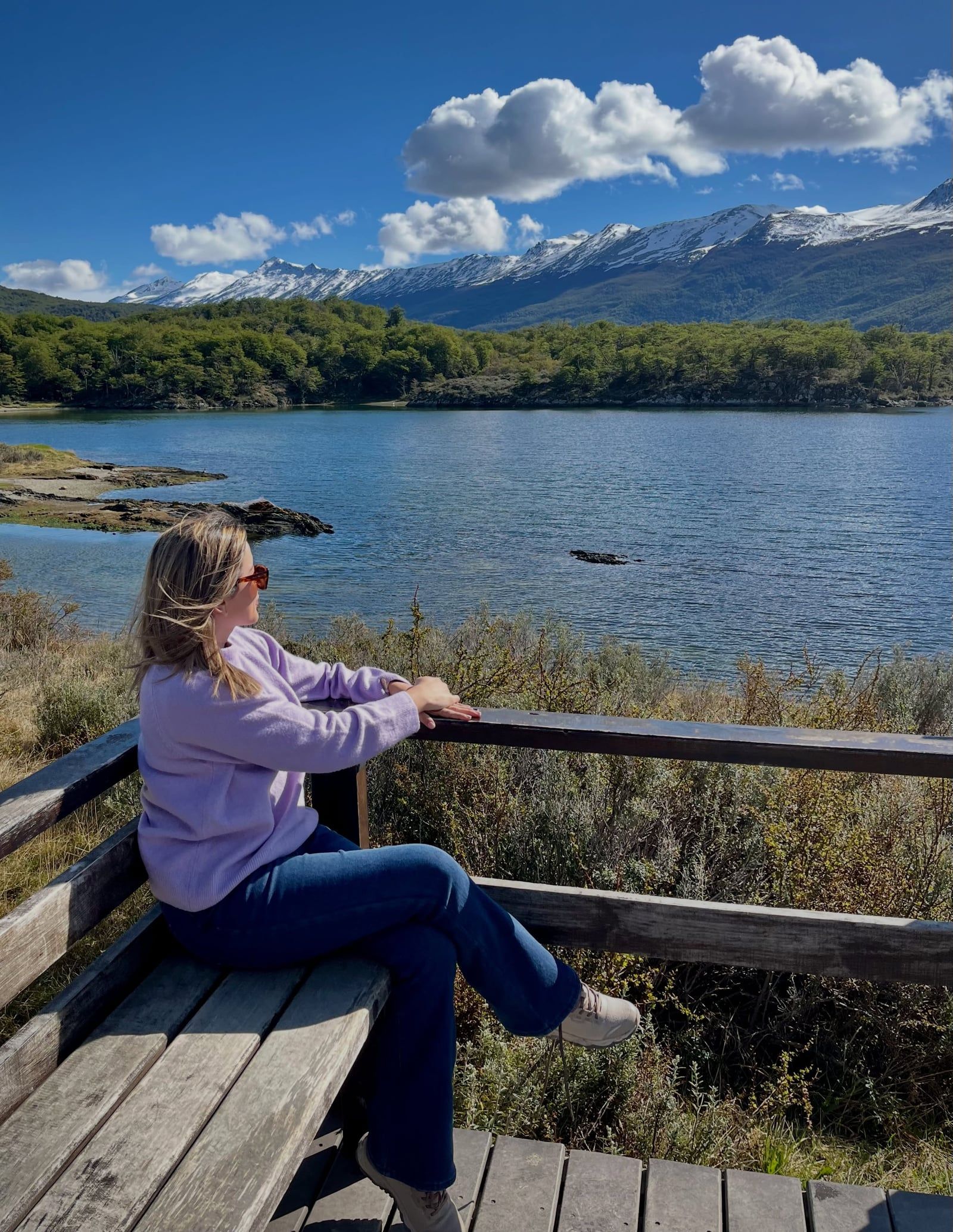
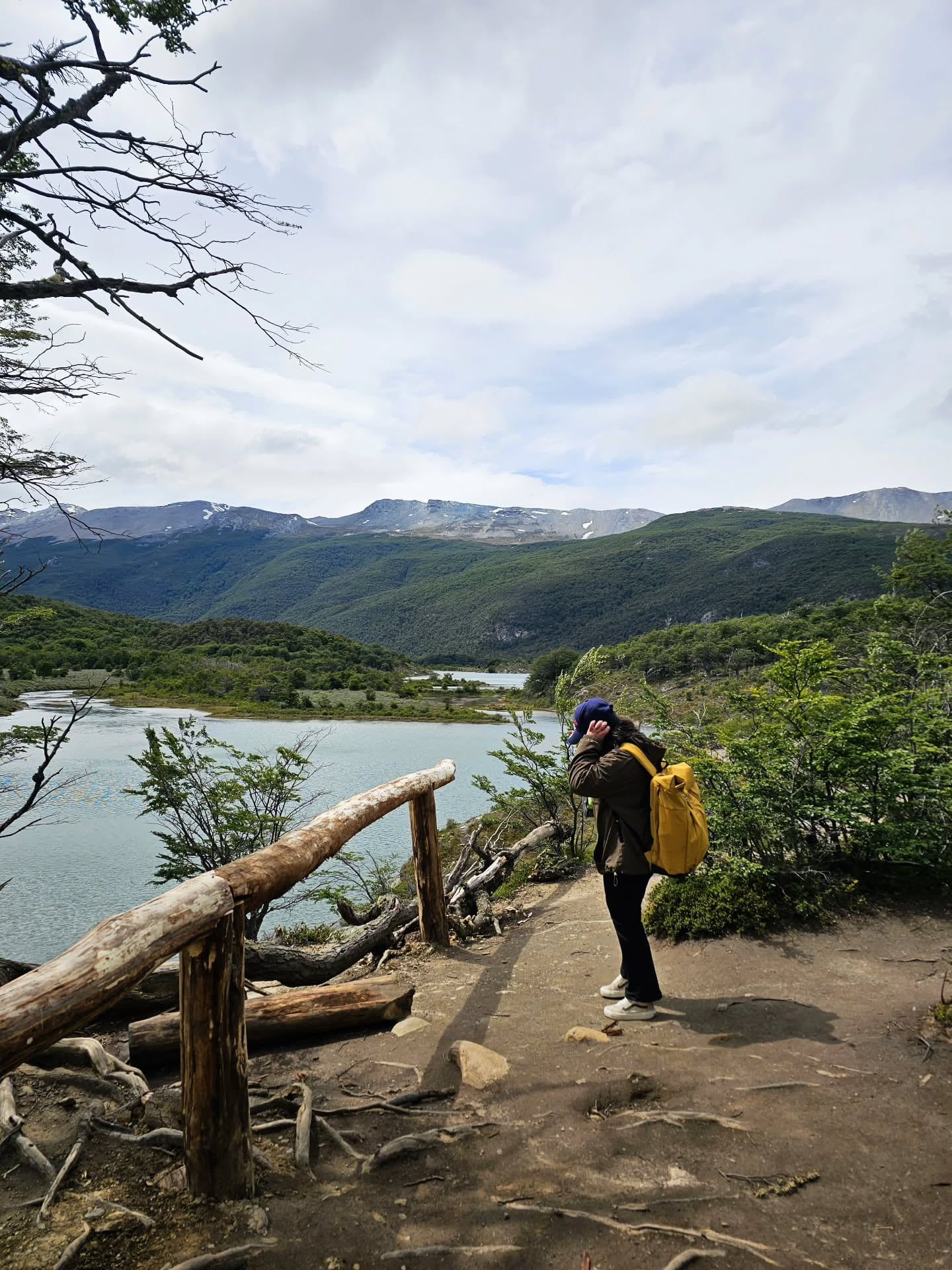
The 8 km Senda Costera runs from Ensenada Zaratiegui to Lapataia Bay through lenga and guindo beech forest, rocky coves, and pebble beaches — allow 3–4 hours. Watch for beaver dams and seabirds along the way. The trail closes in winter, so hike it November through March.
A tiny wooden post office perches at the water's edge on Ensenada Zaratiegui, the southernmost in the Americas. Send a postcard franked with special 'End of the World' stamps, or get your passport stamped — unofficially but famously — before setting off on the coastal trail.
Book from $54 with hotel pickup in Ushuaia, End of the World Train rides, and free cancellation on most tours up to 24 hours.
Swipe to see more
 Free Cancellation 5h 30min
 Likely to Sell Out 5h
 Free Cancellation
 Free Cancellation 5h Free Cancellation 5h 30min Free Cancellation Free Cancellation 5h
 Free Cancellation 5h 30min
December through February is the best time to visit Tierra del Fuego National Park: the warmest weather (daytime highs around 13–14°C), up to 17 hours of daylight, and every trail and access road open. October–November and March run close behind with thinner crowds and lower prices.
October and November deliver near-summer conditions with fewer tourists and cheaper prices, and penguins return to the Beagle Channel from October. Sport fishing season opens 1 November. Early spring still feels wintry, so check trail status before booking.
The warmest months, with daytime highs around 13–14°C and up to 17 hours of daylight. All trails and access roads are open, penguin season is in full swing (through March), and the park stays open 8:00–21:00. Expect wind and sudden weather changes anyway.
March is a sweet spot — similar conditions to summer, thinner crowds, lower prices, and the park open 8:00–20:00. From April, hours shrink to 9:00–18:00 and winter trail closures begin to bite, so aim early in the season.
The hardest period: July highs average around 2°C with lows near -4°C, June sees only 1–3 sun hours per day, and winds average 31 km/h. Cerro Guanaco, Senda Costera and several access roads are officially closed due to ice.
Tierra del Fuego National Park is open daily, year-round, with seasonal entry/exit hours: December–February 8:00–21:00; March, October and November 8:00–20:00; April–September 9:00–18:00. Inside the park, the Alakush Visitor Centre (restaurant, gift shop, restrooms, information) opens roughly 10:00–17:30, and the End of the World Train station is open 8:30–17:15, with departures at 9:30, 12:00 and 15:00 from 1 September to 30 April.
| Category | Price |
|---|---|
| General (foreign and non-resident visitors) | AR$40,000 (official APN rate effective 1 June 2026) |
| National residents (Argentina) | AR$18,000 |
| Tierra del Fuego provincial residents | AR$8,000 |
| Students | AR$12,000 |
| Argentine retirees/pensioners with DNI | Free |
| Visitors with a disability (CUD certificate or equivalent foreign document) | Free |
| Malvinas War veterans | Free |
| Accredited Argentine school groups | Free |
No advance booking is required for a regular day visit — buy your ticket online at ventaweb.apn.gob.ar or at the gate, and bring your passport or DNI to claim a discounted or free category. Flexipass 3-day and 7-day passes plus annual passes also exist. Fees change frequently with inflation (guides quoted AR$62,000 in January 2025 and AR$30,000 in March 2026), so confirm the current rate on the official site shortly before your visit. If you're riding the End of the World Train, pre-book it — especially from May to August, when departures depend on availability — and note the park entrance fee is separate.
For complete schedules and ticket prices, visit our Hours & Fees page.
The park sits about 12 km west of Ushuaia at the southern end of National Route 3, roughly 20–45 minutes from the city depending on your transport. Shuttles, the End of the World Train, taxis, rental cars and private transfers all reach the entrance, and you pay the park entrance fee separately at the gate.
📍 The park has no street address — it begins about 12 km west of Ushuaia at the entrance portal on National Route 3 (Ruta 3), which runs through the park to its end at Bahía Lapataia. Park administration (intendencia): San Martín 1395, Ushuaia, Tierra del Fuego, Argentina.
The regular shuttle is the standard car-free option. It departs downtown Ushuaia from the corner of Fadul and Maipú on fixed schedules and makes seven stops inside the park: the entrance, the train station, Ensenada Zaratiegui, Alakush Visitor Centre, Lago Acigami/Roca, Isla Entre Ríos campground and Bahía Lapataia. The run takes about 45 minutes with stops. Pay the park entrance separately at the gate.
The rebuilt steam railway runs 7–8 km from Estación Fin del Mundo, west of Ushuaia on the road to the park, climbing the Pipo Valley past Puente Quemado, Cascada La Macarena and the Tree Cemetery, with an audio guide in 10 languages. Departures are at 9:30, 12:00 and 15:00 from 1 September to 30 April; arrive 45 minutes early. Park entry is not included in the fare.
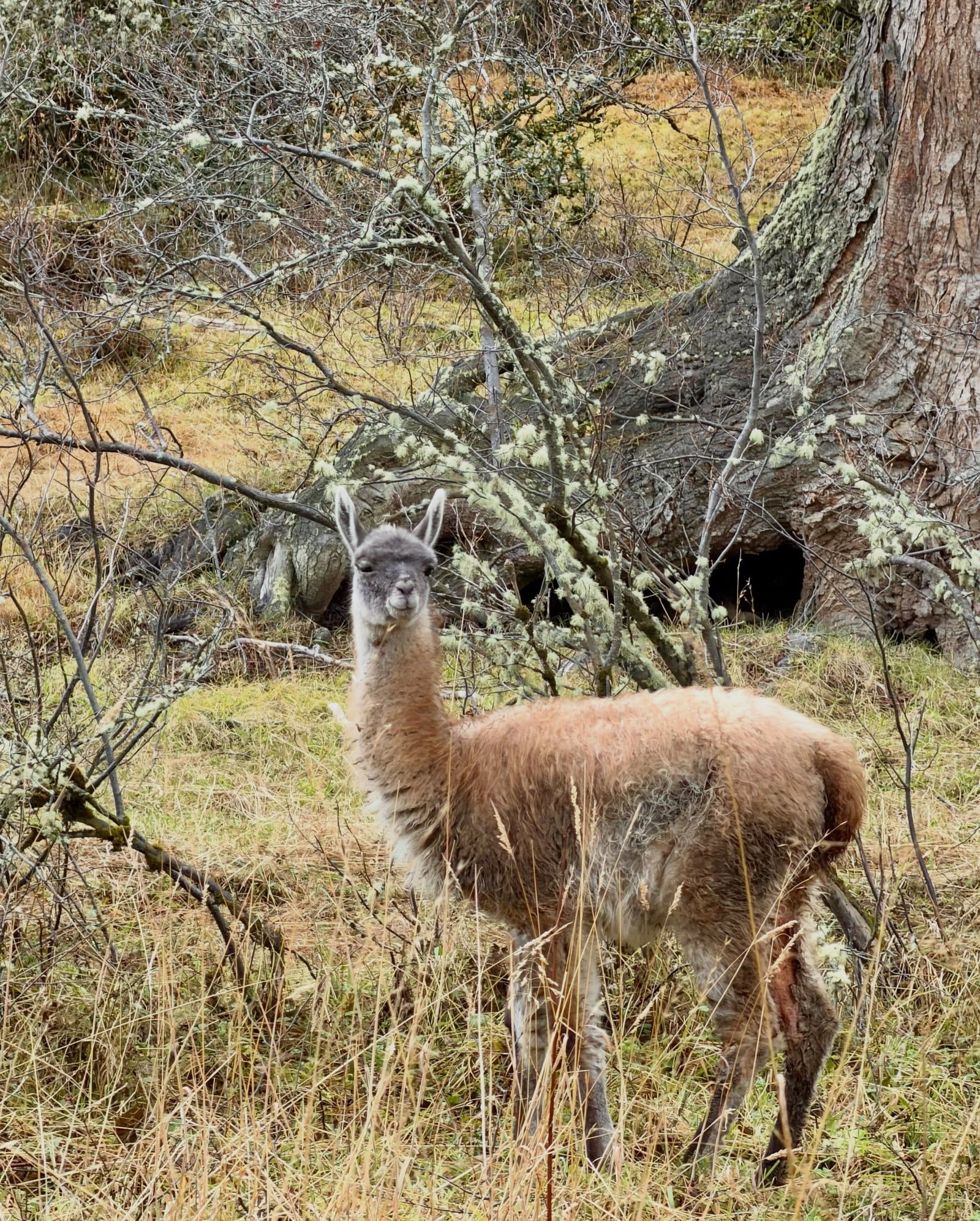
National Route 3 runs straight from Ushuaia to the park entrance and continues through to Bahía Lapataia, the southern terminus of the Pan-American Highway. The drive takes 20–30 minutes and parking is free at each sight. The speed limit inside the park is 40 km/h, and rabbits, guanacos and foxes cross the road constantly — slow down, especially at dawn and dusk. Taxis charged about US$100 for a half-day circuit of the main photo stops (February 2026).
Local operators run hotel and airport transfers from Ushuaia hotels or Malvinas Argentinas International Airport (USH) to the park, with bookable date and time slots. The trip covers the same 12 km on Route 3 in about 30 minutes. This is the option to pick if you're a cruise passenger on a tight schedule or traveling with limited mobility. The Ushuaia tourism office lists authorized operators.
For detailed transport options and routes, visit our Directions page.
Walk the 8 km Senda Costera from Ensenada Zaratiegui to Lapataia Bay (3-4 hours), then catch the shuttle back to Ushuaia from Bahía Lapataia or Lago Acigami. The shuttle runs seven stops on fixed schedules from Fadul & Maipú downtown. Photograph the timetable on arrival so you don't miss the last departure.
Purchase entry at ventaweb.apn.gob.ar, then carry your passport or DNI anyway — staff check it for discounted and free categories like students (AR$12,000) and Argentine pensioners. General entry is AR$40,000 from 1 June 2026, but fees shift with inflation; guides quoted AR$62,000 in January 2025. Check rates the week you travel.
The only restaurant, restrooms, and gift shop inside the park sit at the Alakush Visitor Centre, open roughly 10:00-17:30. Time your Senda Costera finish to land there for lunch. Outside those hours services vanish, so pack snacks and water even on a half-day visit.
Recreational drone flying is banned in Argentine national parks; permits go only to scientific or search-and-rescue work. Bicycles are also prohibited on pedestrian trails. If you're fishing, you'll need a permit via [email protected], and only during the 1 November-1 May season. Kayaking requires a licensed operator — private boats aren't allowed.
From roughly April through September, ice shuts Cerro Guanaco, Pampa Alta, Senda Costera, Cascada Río Pipo and the Ensenada Zaratiegui and Río Pipo access roads. Verify what's open on the official site or call +54 2901 577931 before setting out. Some higher-difficulty trails also require registration at entry and exit year-round.
The Tren del Fin del Mundo costs AR$70,000 tourist class and the park entry fee isn't included, so many visitors ride it into the park and return by shuttle. Departures run at 9:30, 12:00, and 15:00 from September to April; arrive 45 minutes early. Pre-book if you're coming May-August, when departures depend on availability.
A 2.5–3 hour catamaran circuit from Ushuaia's port past sea lion colonies, cormorant rookeries and the Les Éclaireurs lighthouse. It's the classic companion to a park day, pairing forest trails with open water. Tours cost from about US$79–145 and run year-round, weather permitting.
From October to late March you can walk among Magellanic and Gentoo penguins on this protected island in the Beagle Channel, reached by road plus a short boat crossing or full-day catamaran. Note there are no penguins inside the national park itself, so this is your chance. Combined tours start around US$79–420 depending on format.
Housed in Ushuaia's former prison, this museum covers maritime history, Antarctic exploration and the penal colony whose prisoners built the original logging railway now echoed by the End of the World Train. Exhibits are bilingual in Spanish and English, and admission was AR$6,200 circa 2023, reportedly valid two days. A good rainy-day backup.
Read what travelers share about their experience visiting Tierra del Fuego National Park — from practical tips to personal highlights.

Planning advice, comparisons, and practical tips.
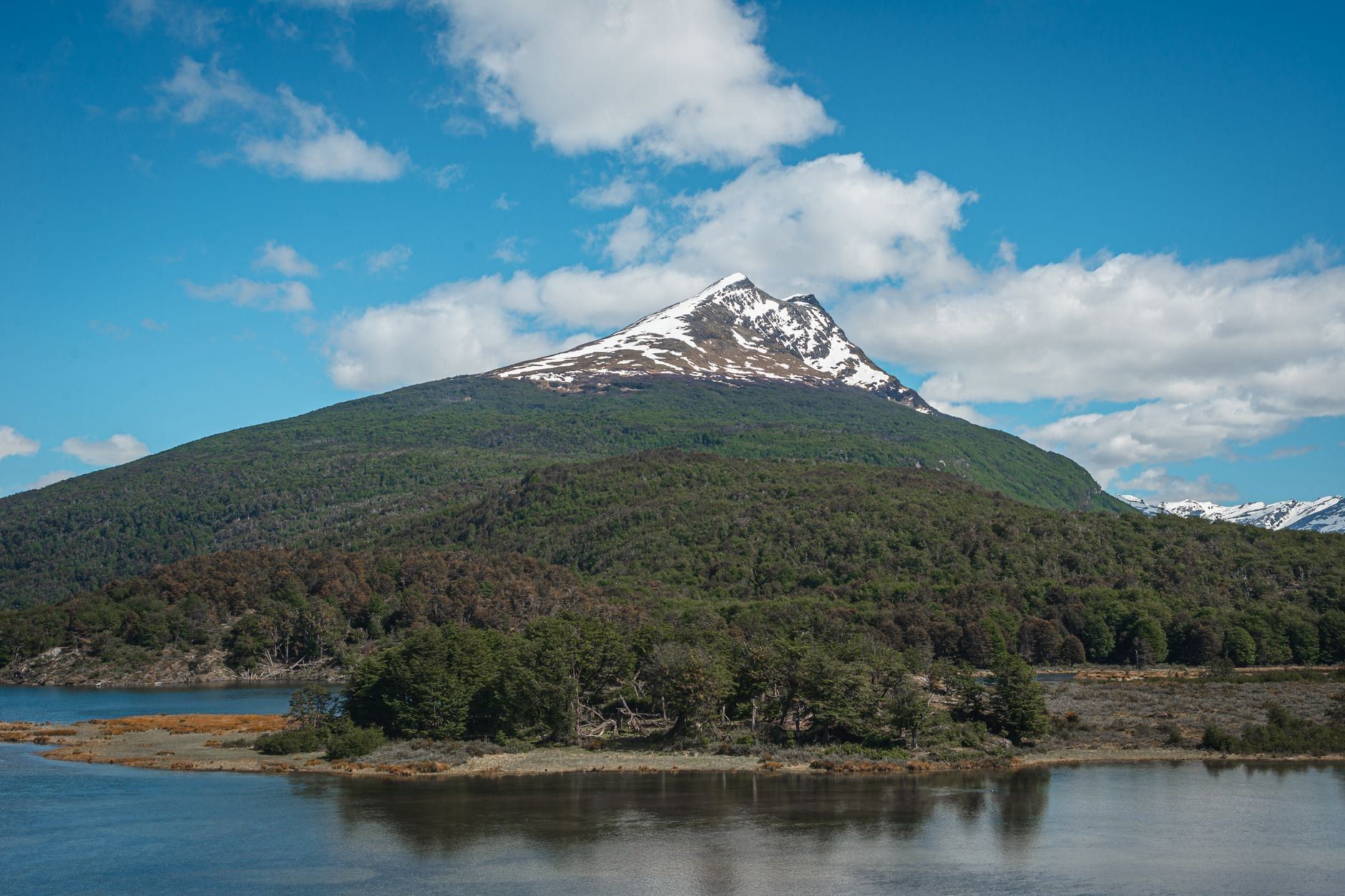
Tierra del Fuego National Park stays open all year — and in winter it empties out. From June to September the lenga forests above the Beagle Channel…
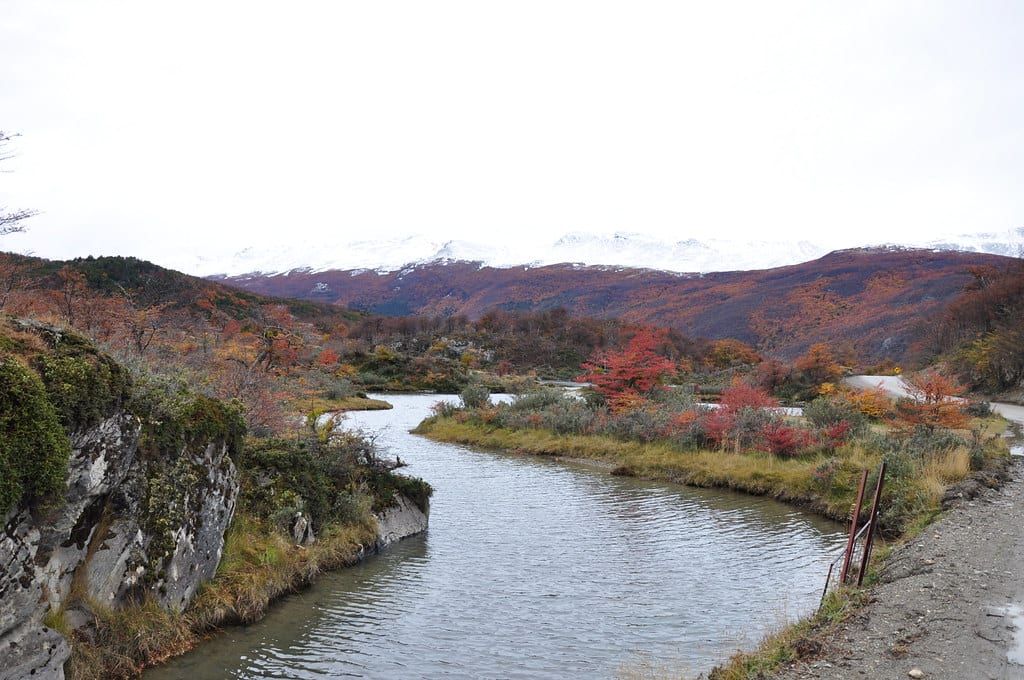
Tierra del Fuego National Park packs ten marked trails and roughly 40 km of path into its southern corner, 12 km west of Ushuaia at the tip of South…
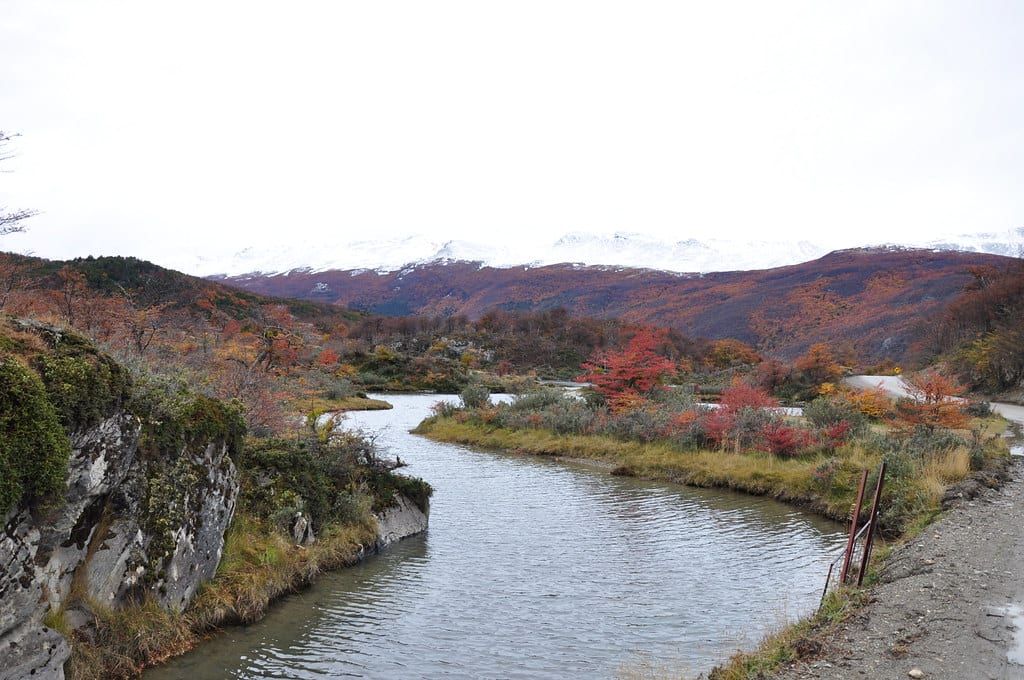
Ushuaia is where more bike expeditions finish than anywhere else on earth. The city of 82,600 — the world's southernmost — sits at the bottom of…
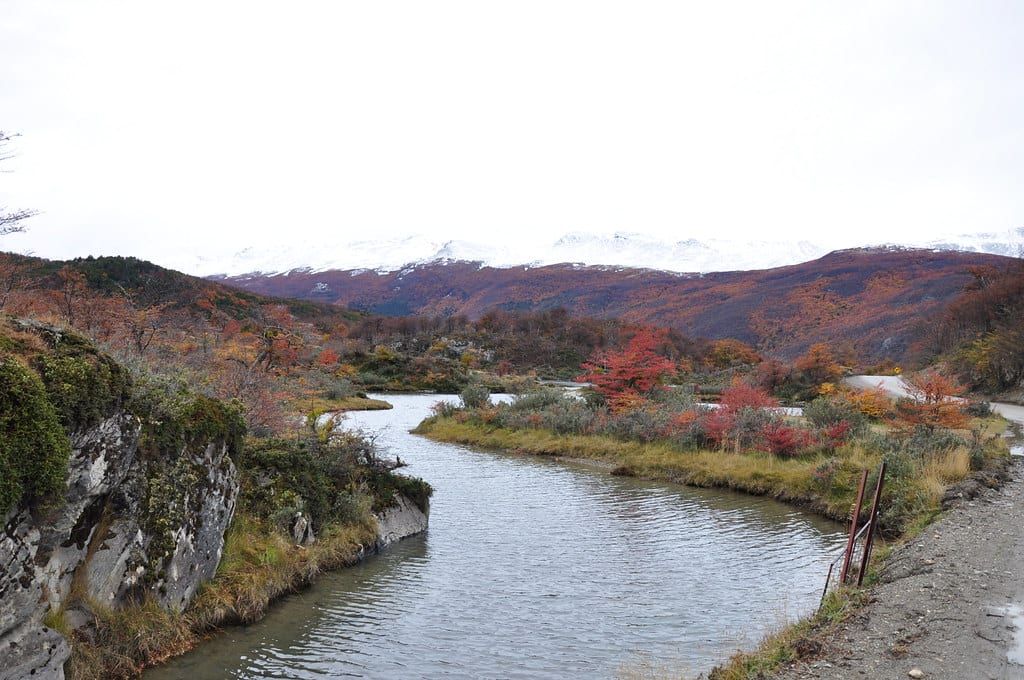
Ushuaia, on the Beagle Channel, is where nearly every Tierra del Fuego trip bases itself — and for good reason. The national park sits 12 km west of…
The official rate from 1 June 2026 is AR$40,000 for general (foreign and non-resident) visitors, AR$18,000 for Argentine residents, AR$8,000 for Tierra del Fuego provincial residents, and AR$12,000 for students. Argentine pensioners with DNI, visitors with a disability certificate, Malvinas War veterans, and accredited school groups get in free. Fees shift with inflation — some guides quoted AR$62,000 in January 2025 — so check ventaweb.apn.gob.ar the week you travel.
It's open daily, year-round, with seasonal hours: 8:00–21:00 December through February, 8:00–20:00 in March, October and November, and 9:00–18:00 from April to September. The Alakush Visitor Centre (restaurant, restrooms, gift shop) runs roughly 10:00–17:30, so plan meals around it — outside those hours the park has few services.
The park sits about 12 km west of Ushuaia, and regular shuttles run from the corner of Fadul and Maipú in the city center, taking around 45 minutes and stopping at seven points inside the park (roughly AR$20,000 cash or AR$25,000 by card for a return ticket, as of early 2025). A half-day guided tour with hotel pickup costs about US$79–145, or you can ride the End of the World Train in from its own station.
Most visitors spend 4–5 hours, which covers the shuttle loop, the End of the World Post Office, the short trails and Lapataia Bay. A full day (6–8 hours) lets you add the 8 km Senda Costera coastal hike, and if Cerro Guanaco (8 km round trip to 975 m) is on your list, plan a full day or two separate visits.
Waterproof hiking boots plus layers — base layer, fleece, insulated jacket, beanie and a wind/rain shell — even in January, since conditions can swing from sun to sleet within an hour and winds average around 20 mph (31 km/h). Carry snacks and water too, because outside the Alakush Visitor Centre's hours (about 10:00–17:30) there's little available inside the park.
It's a roughly one-hour, 7–8 km steam ride replicating the last stretch of the Ushuaia prison colony's logging line, with stops at Cascada La Macarena and the Tree Cemetery and an audio guide in 10 languages. Tourist class is AR$70,000 per adult, AR$35,000 for children 4–12, and AR$217,000 premium (2026) — park entry not included. It's popular but touristy, so many visitors ride it one way and return by shuttle.
Partially. The Bahía Lapataia boardwalks and the start of the Senda de la Baliza are wheelchair accessible, and the hop-on-hop-off shuttle reaches seven stops including the Alakush Visitor Centre and Lago Acigami/Roca, so you can reach the scenic overlooks without hiking. For older visitors, the shuttle plus short, mostly flat walks of 800 m–1.5 km make the park very manageable — skip the steep Cerro Guanaco climb.
No reservation is required for a day visit — buy your ticket online at ventaweb.apn.gob.ar or at the gate. The End of the World Train (departures at 9:30, 12:00 and 15:00, September 1 to April 30) should be pre-booked, especially May–August when departures depend on availability, and Beagle Channel boat and penguin tours sell out in summer.
Browse verified tours with free cancellation and instant confirmation.
Find Tours


